

Alloy Wheels Explained: Benefits, Care and How to Choose
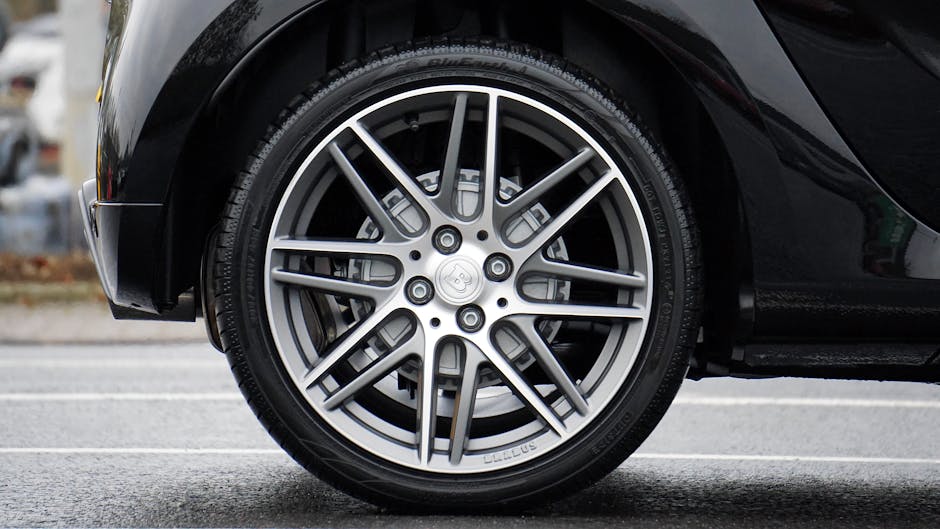
Alloy wheels have become a popular choice for Australian drivers looking to improve both the look and the feel of their vehicle. Whether you drive a city car, a family SUV or a serious 4x4, the right set of rims can change how your car performs on the road and how it looks sitting in the driveway. This article explains what alloy wheels are made of, why they are worth considering, how to choose the right set for your vehicle and how to look after them once they are fitted.
What Are Alloy Wheels?
An alloy wheel is a wheel made from a combination of different metals, mostly aluminium and magnesium, along with other elements. This is where the name comes from: an alloy is a mixture of metals, and manufacturers blend these materials to create a wheel that is both light and strong.
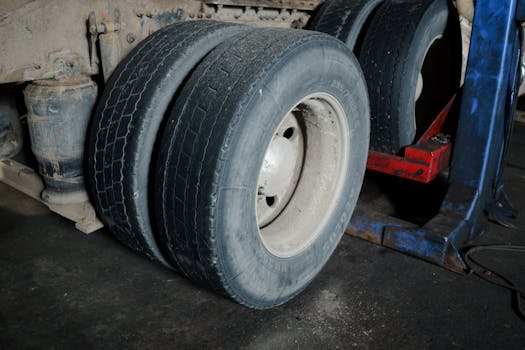
Steel wheels were the standard for many years. They were cheap, strong and resistant to damage, but they were not suitable for every application. Racing and high-performance use, in particular, demanded something better. The desire for faster, better-performing race cars drove the development of the alloy wheel, and the technology soon found its way onto everyday vehicles.
Why Choose Alloy Wheels?
There are several reasons alloy wheels are so popular among motoring enthusiasts and everyday drivers alike. The main benefit comes down to weight. Alloy wheels are much lighter than steel wheels, and this has a flow-on effect through the whole vehicle.
Because the wheels are lighter, the steering feels sharper and the car can respond more quickly. Lighter wheels are also easier for the suspension to control, which can improve the overall ride. Better handling is one of the most commonly cited reasons for upgrading to alloy wheels.
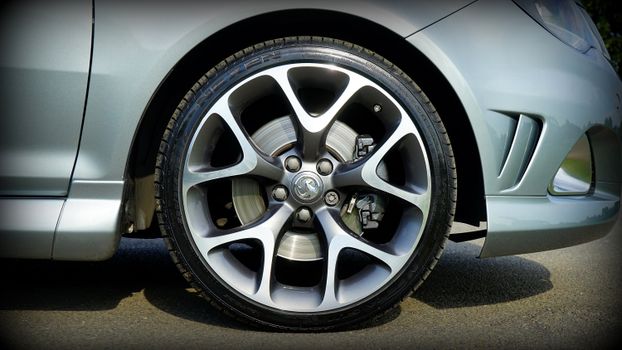
Beyond performance, there is the visual side. Alloy wheels have a shinier, more elegant look than traditional steel rims. They are available in a wide range of styles and finishes, so you can match the wheels to your car and your personal taste. Premium alloy wheels are engineered for durability and performance, which means you do not have to sacrifice strength for style.
Alloy vs Steel: Which Wheel Is Better?
The answer depends on what you need from your wheels. Steel wheels are still used in many situations because they are cheap, strong and hard to damage. However, they are heavier and generally not suited to performance driving. Alloy wheels are lighter, look better and offer improved handling, but they are a premium product.
Load ratings are worth checking too. Some lightweight but strong alloy wheels offer improved strength and durability, and often higher load ratings than factory-fitted wheels. That makes them a genuine option for vehicles that carry heavy loads, including commercial and off-road applications.
| Feature | Alloy Wheels | Steel Wheels |
|---|---|---|
| Materials | Combination of metals, mostly aluminium and magnesium | Steel |
| Weight | Lighter, which improves steering and speed | Heavier |
| Handling | Better handling, easier for suspension to control | Standard |
| Appearance | Shinier, elegant look with many styles and finishes | Basic, functional |
| Strength | Lightweight but strong, often with higher load ratings | Strong and impervious to damage |
| Performance use | Suitable for racing and performance | Not admissible for many uses like racing |
How to Choose the Right Alloy Wheels for Your Vehicle
Choosing the right alloy wheels involves more than picking a style you like. You need wheels that fit your vehicle properly, suit the way you drive and handle the loads you carry.
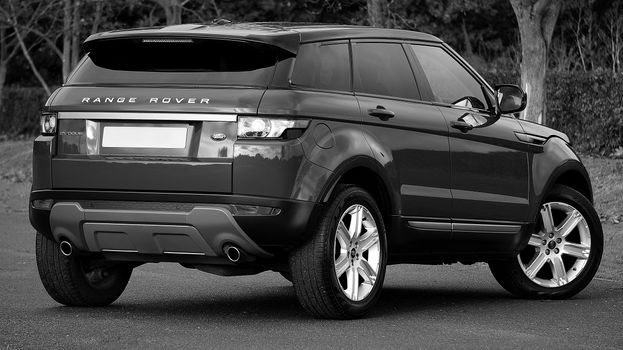
Start by thinking about your vehicle type. Alloy wheels are available for cars, SUVs, 4x4s, trucks and 4WD vehicles. A set of 4x4 rims is designed for off-road conditions, while road-focused wheels suit passenger vehicles and performance cars. There are also specialist categories to consider, such as beadlock rims for serious off-road use, JDM wheels for Japanese styling and replica wheels that mirror popular factory designs.
Style and finish are the next consideration. Alloy wheels come in a huge range of styles, from simple and understated to bold and aggressive. Finishes vary as well, so you can choose something that complements the colour and character of your car.
Fitment is where expert advice pays off. Many alloy wheel suppliers offer expert fitment services, and they can confirm that the wheels you are looking at have the correct specifications for your vehicle. If you are buying online, look for a supplier that offers fast shipping Australia-wide and a straightforward way to confirm fitment before you order.
How to Look After Your Alloy Wheels
Alloy wheels cop a lot on Australian roads. Brake dust, dirt, stone chips and the occasional brush with a kerb all take their toll. Regular care keeps them looking good and helps them perform at their best.
Washing your wheels regularly is the simplest way to protect them. Dirt and brake dust can build up on the surface and become harder to remove over time. A gentle clean with a soft cloth and mild soapy water is usually enough for routine maintenance. Avoid harsh abrasive products that could scratch the finish.
It also pays to inspect your wheels from time to time. Check for chips, scratches or signs of damage, especially after long trips or off-road driving. If you notice anything unusual, have a professional take a look.
Finally, remember that your wheels work together with your tyres. Keeping your tyres properly inflated helps protect both the tyres and the rims they are mounted on.
Alloy Wheels for Every Kind of Vehicle
One of the great things about alloy wheels is the range of vehicles they can be fitted to. Passenger cars, SUVs, 4x4s, trucks and commercial vehicles can all benefit from an upgrade. Whether you want a set of lightweight rims for daily commuting or rugged 4x4 wheels for weekend adventures, there is an alloy wheel to suit the job.
Australian suppliers are well represented in this space. ROH Wheels design and manufacture premium 4x4 and passenger wheels for vehicles across Australia and around the globe. CSA Wheels offer rugged steel rims alongside lightweight but strong alloy wheels with improved strength and durability. These brands understand the demands of Australian roads and off-road terrain.
Some vehicle manufacturers offer their own alloy wheels as well. Volkswagen, for instance, produces alloy wheels that are lightweight and durable, tailored to each model and designed for both style and performance. Factory-matched wheels like these provide a precise fit and a cohesive look.
Where to Buy Alloy Wheels in Australia
There is no shortage of places to buy alloy wheels in Australia. Specialist wheel retailers and tyre chains stock a wide range of styles and finishes, and many offer online ordering with delivery to your door.
CNC Wheels Australia offer a huge range of alloy wheels for cars, SUVs and 4x4s, with expert fitment, fast Australia-wide shipping and a catalogue organised into categories such as 4x4 rims, JDM wheels, replica wheels and clearance lines. Bob Jane T-Marts is a well-known name selling premium alloy wheels online and in store. OXWheels in Perth stock alloy wheels, mag wheels and rims for cars, SUVs, 4x4s, trucks and 4WD vehicles. Ozzy Tyres sell high-performance wheels online and over the phone, and Lenso Wheels are a trusted manufacturer of stylish, durable aftermarket car wheels.
If you prefer to shop locally, a Brisbane tyre and auto service centre can help you match the right wheels to your vehicle and arrange fitment as part of the purchase. ACE Tyres & Auto Care in Tingalpa, for example, has been helping local drivers with tyres, wheels and mechanical repairs for more than 30 years. That way you know the wheels are fitted correctly and the whole package is handled by one team.
Frequently Asked Questions
Are alloy wheels better than steel wheels?
Alloy wheels are lighter than steel wheels, which improves steering, speed and handling. They also offer a shinier, more elegant look and are available in many styles and finishes. Steel wheels, on the other hand, are cheap, strong and resistant to damage. The best choice depends on your vehicle and how you use it.
What are alloy wheels made of?
Alloy wheels are made from a combination of different metals, mostly aluminium and magnesium, along with other elements. This combination creates a wheel that is both lightweight and strong, which is why alloy wheels can improve handling without sacrificing durability.
Can alloy wheels be fitted to any vehicle?
Alloy wheels are available for a wide range of vehicles, including cars, SUVs, 4x4s, trucks and 4WD vehicles. Specialist ranges cover everything from off-road beadlock rims to performance wheels. To ensure a proper fit, it is best to check your vehicle's fitment requirements with an expert before buying.
Do alloy wheels improve handling?
Yes. Alloy wheels are much lighter than steel wheels, and lighter wheels are easier for the suspension to control. This can lead to better handling, sharper steering and improved speed. For motoring enthusiasts, these performance benefits are a major reason to upgrade.